
Across construction sites today, a quiet shift is taking place. Instead of crowded work zones filled with raw materials and extended timelines, more projects are moving toward cleaner, faster, and more controlled building methods. Prefabricated systems and steel structure buildings are at the center of this transition, offering a more efficient way to build while significantly reducing environmental impact.
Reducing Waste Through Controlled Production
One of the most significant environmental advantages of prefabricated construction lies in its precision. Unlike traditional on-site building, prefab components are manufactured in controlled factory environments where materials are measured, cut, and assembled with high accuracy. This process greatly reduces material waste and minimizes excess usage.
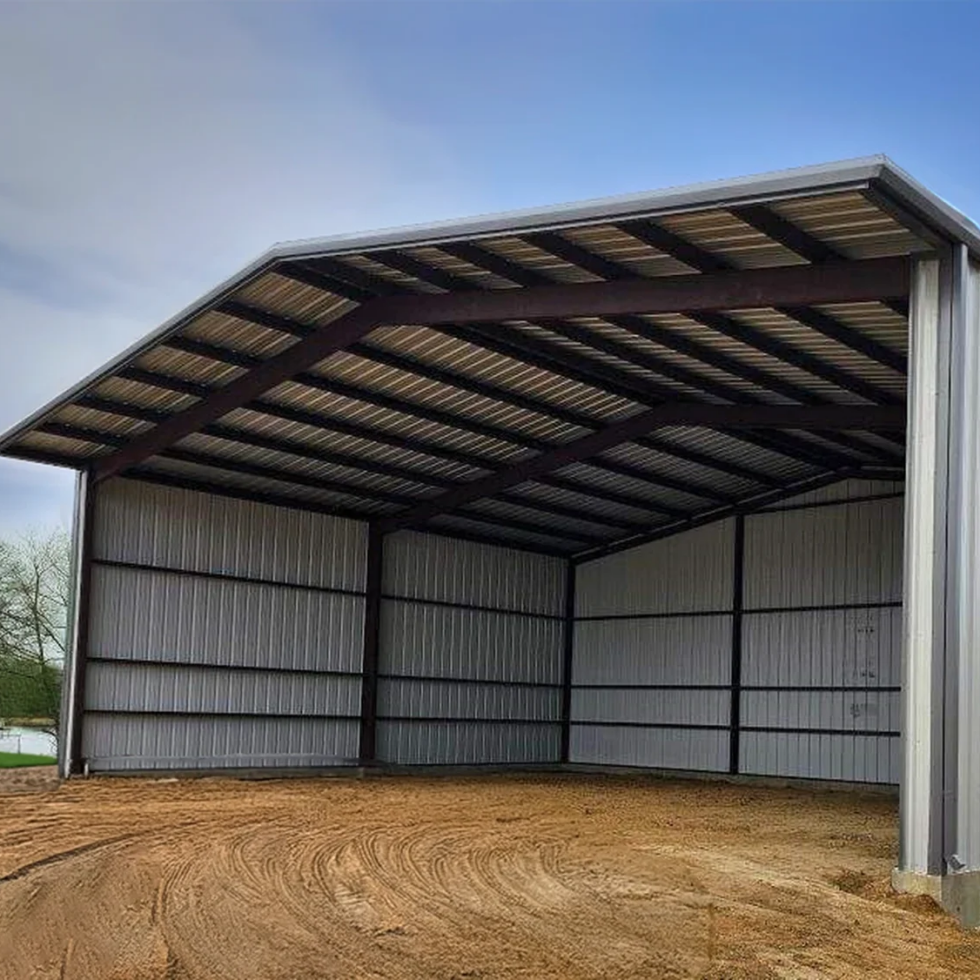
Steel structure buildings further enhance this efficiency. Steel components are produced with exact specifications, ensuring minimal offcuts and allowing leftover materials to be reused or recycled. This level of control not only improves construction efficiency but also significantly lowers the environmental footprint of each project.
Recyclability and Resource Efficiency
Steel is one of the most recyclable materials in the world, making it a key contributor to sustainable construction. Steel structure buildings can be dismantled and reused, and the material itself can be recycled multiple times without losing its strength or quality. This reduces the need for raw resource extraction and supports a more circular construction model.
Prefabricated buildings also promote resource efficiency by optimizing material usage during production. Combined with steel structures, they create a system where materials are not only used efficiently but also remain valuable beyond the life cycle of a single building.
Lower Carbon Emissions in Construction
Traditional construction methods often involve heavy on-site work, transportation of raw materials, and prolonged building timelines—all of which contribute to higher carbon emissions. Prefabricated construction reduces these emissions by shifting much of the work to factories and shortening on-site assembly time.
Steel structures also contribute to lower emissions through faster installation and reduced labor requirements. With fewer machines operating on-site and less transportation needed for materials, the overall carbon footprint of a project is significantly reduced.
Energy Efficiency in Building Performance
Beyond the construction phase, prefabricated and steel structure buildings offer long-term environmental benefits through improved energy efficiency. Prefab buildings can be designed with high-performance insulation systems, airtight structures, and optimized layouts that reduce energy consumption for heating and cooling.
Steel structures support these designs by allowing for precise integration of insulation materials and modern energy systems. As a result, buildings can maintain stable indoor temperatures more effectively, reducing reliance on energy-intensive systems and lowering operational costs.
Supporting Sustainable Urban Development
As cities grow and sustainability becomes a central focus of urban planning, prefabricated and steel structure buildings provide scalable solutions that align with green development goals. Their ability to be constructed quickly, efficiently, and with reduced environmental impact makes them ideal for large-scale housing, commercial projects, and infrastructure development.
These building methods also reduce on-site disruption, noise, and pollution—important factors in densely populated urban environments where minimizing impact is essential.
Conclusion: Building Smarter for a Greener Future
Prefabricated and steel structure buildings represent a shift toward more responsible construction practices. By reducing waste, lowering emissions, improving energy efficiency, and supporting material reuse, they offer a clear path toward a more sustainable built environment. As the industry continues to evolve, these solutions will play an increasingly important role in balancing development with environmental responsibility.
To learn more about sustainable building solutions tailored to modern construction needs, visit zsadto and explore how innovative approaches can support your next project.