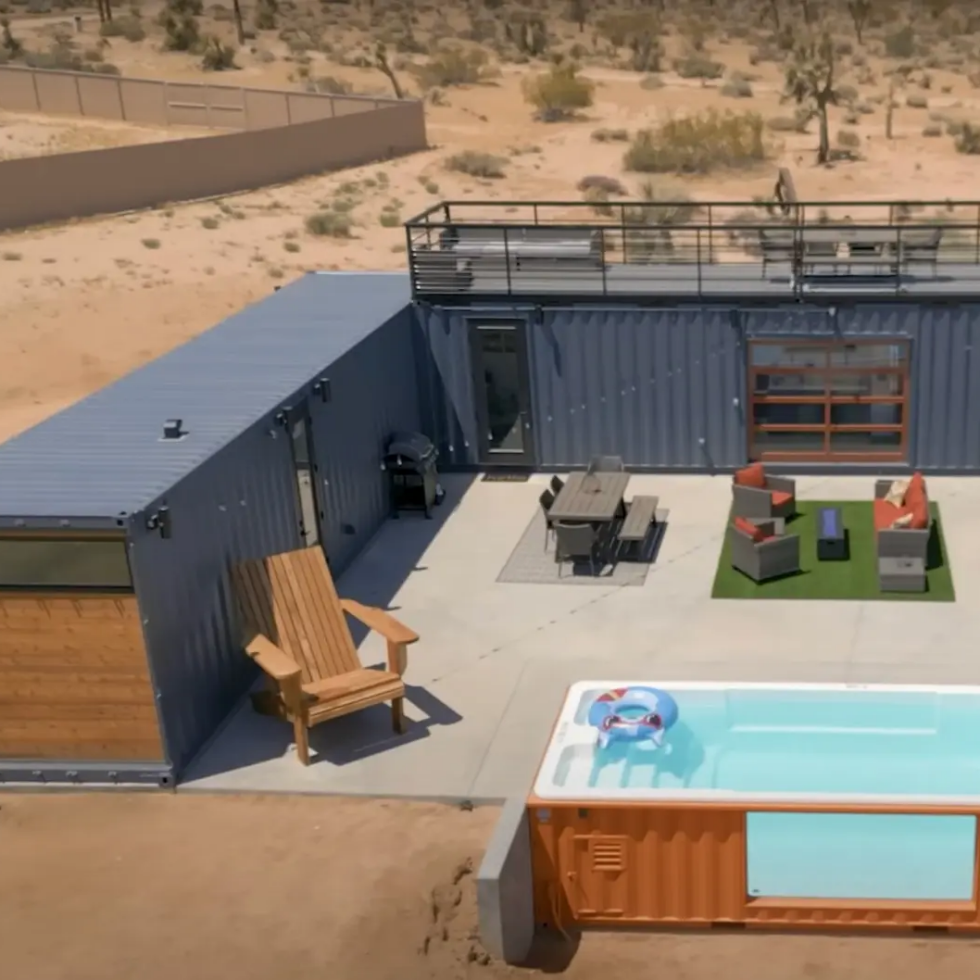


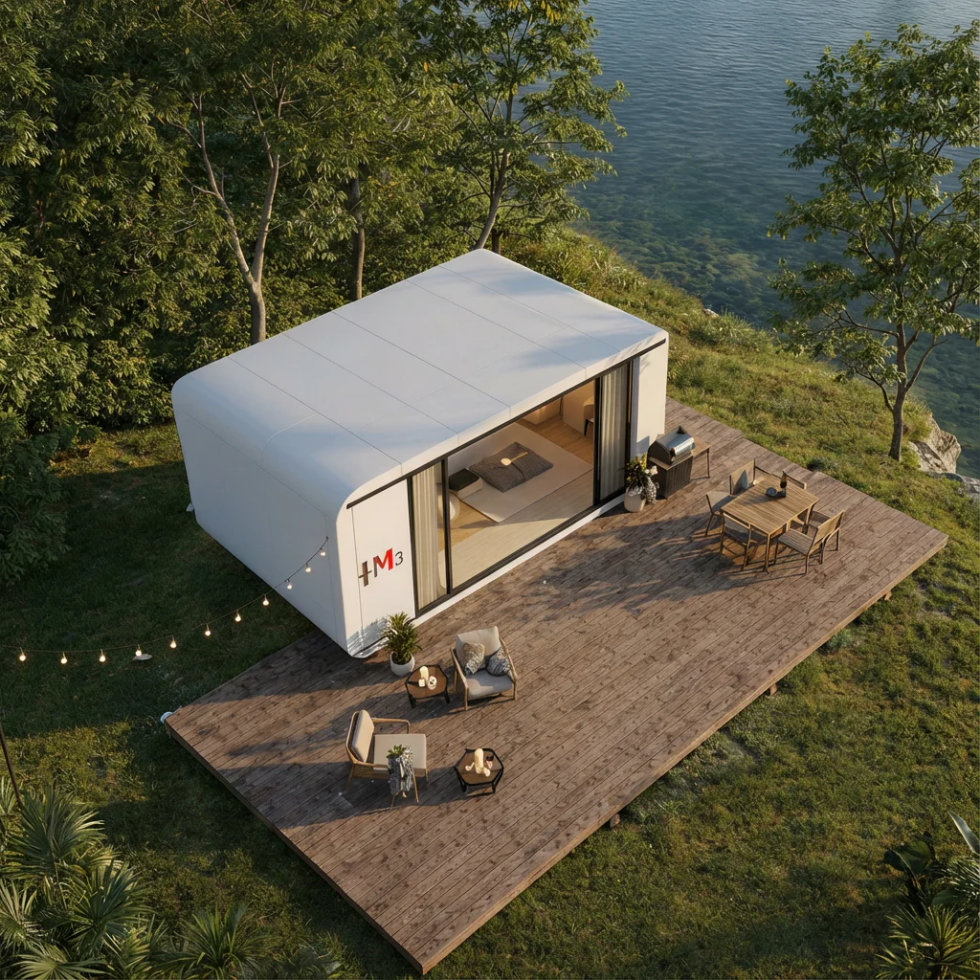
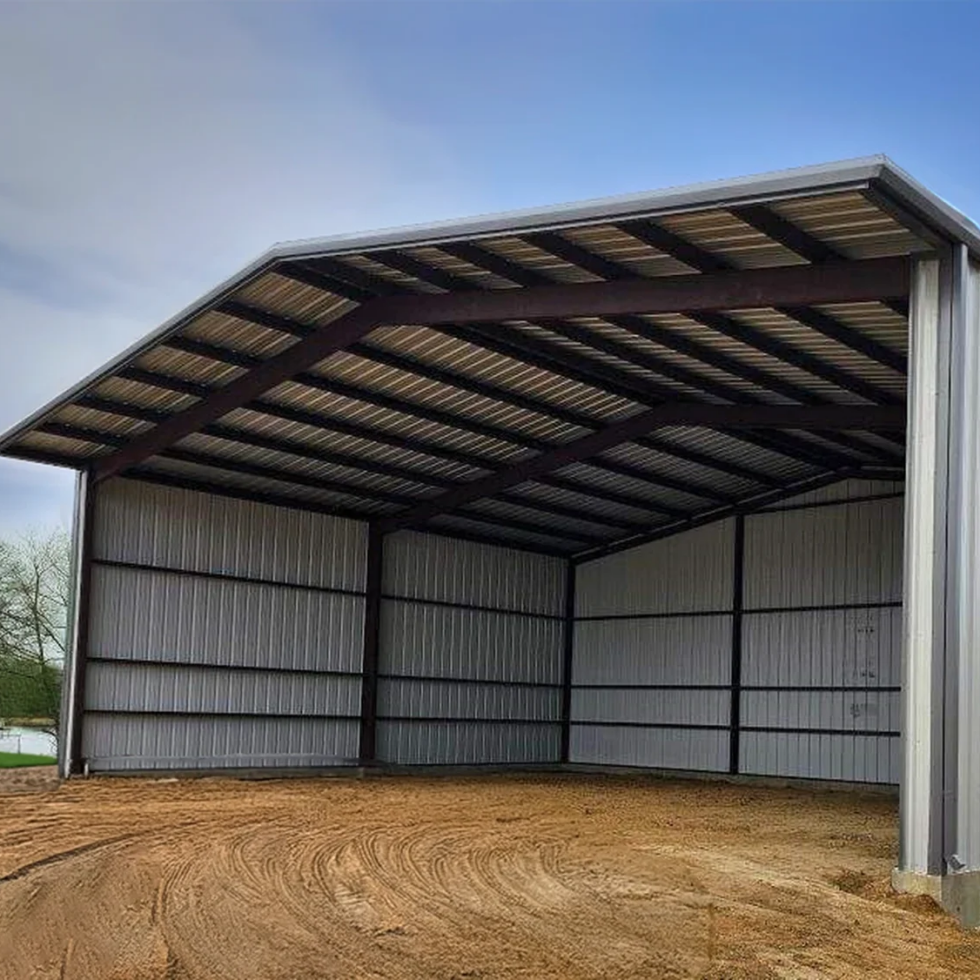
Providing comfortable accommodation for employees has become an important consideration across industries such as construction, mining, energy, and infrastructure development. As projects expand into remote locations and workforce mobility increases, companies are seeking housing solutions that can be deployed quickly while maintaining quality living standards. Container houses are emerging as an effective answer to these challenges.
Improving Living Conditions for Remote Teams
Workers stationed at remote project sites often spend weeks or months away from home. Comfortable living environments can have a direct impact on morale, productivity, and employee retention. Modern container houses are designed with practical layouts that include sleeping areas, bathrooms, kitchens, and communal spaces, creating a more comfortable experience for on-site personnel.
By providing well-equipped accommodations, companies can help workers maintain a better work-life balance even in challenging environments.
Fast Deployment Where Housing Is Needed Most
Remote projects frequently begin in areas with limited infrastructure. Constructing traditional accommodation facilities can be costly and time-consuming, delaying project mobilization.
Container houses solve this issue through modular construction. Units are manufactured in advance and transported directly to the site, where installation can be completed in a relatively short period. This allows businesses to establish workforce camps quickly and keep projects moving forward.
Adaptable to Different Workforce Sizes
Project staffing requirements often change throughout the project lifecycle. Container houses offer the flexibility to scale accommodations according to workforce demands. Additional units can be added during peak construction periods and relocated when staffing levels decrease.
This adaptability helps companies avoid overbuilding while ensuring sufficient housing capacity when needed.
Durable Solutions for Long-Term Use
Built with robust steel frameworks, container houses are designed to withstand demanding environments. They perform reliably in various climates and require relatively low maintenance throughout their service life.
Their durability makes them suitable not only for temporary project camps but also for semi-permanent workforce accommodation in long-term industrial operations.
Supporting Cost Control and Resource Efficiency
Managing accommodation costs is a key concern for project owners. Container houses help optimize budgets by reducing construction time, minimizing labor requirements, and allowing repeated use across multiple projects.
Since units can be relocated and reused, companies gain greater value from their investment while reducing material waste associated with constructing new facilities for every project.
Conclusion
As industries continue to expand into new regions and project environments become increasingly dynamic, container houses provide a practical and efficient workforce accommodation solution. Their combination of comfort, mobility, durability, and scalability makes them an attractive option for businesses seeking to support employees while maintaining operational efficiency.
For organizations looking to improve workforce housing solutions, zsadto offers container house options designed to meet the demands of modern industrial and construction projects.