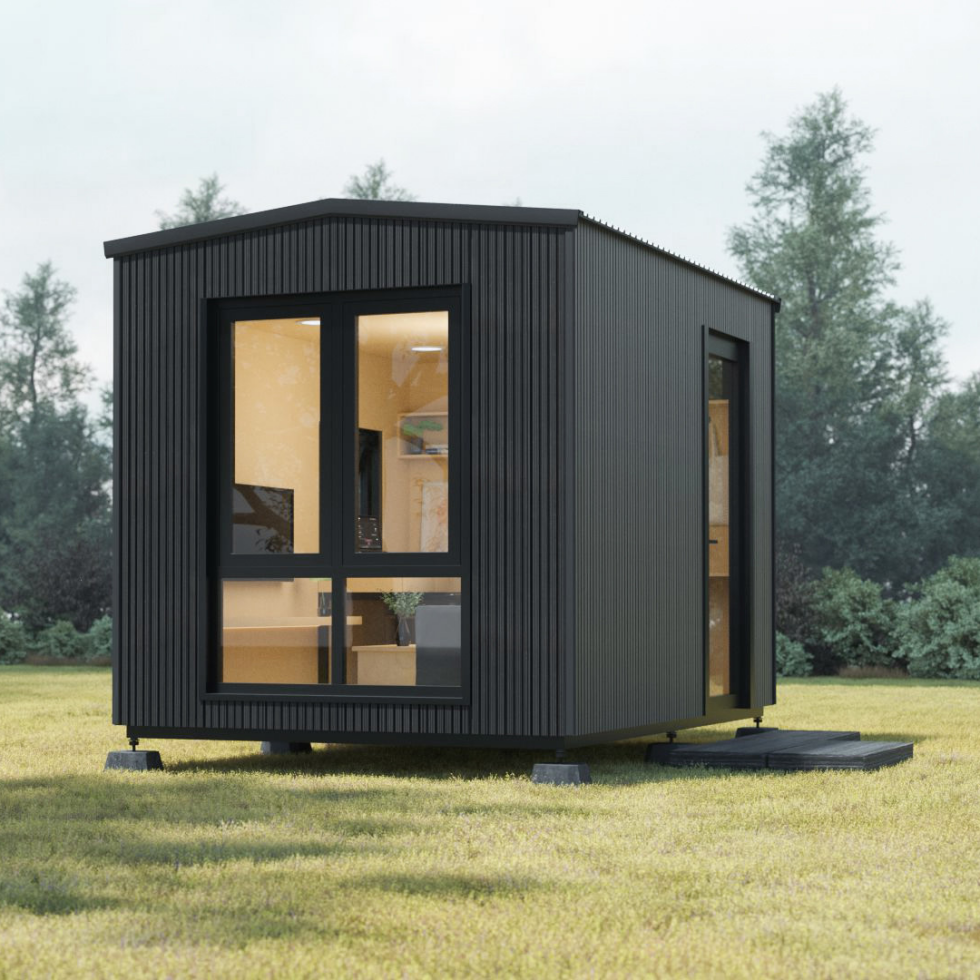

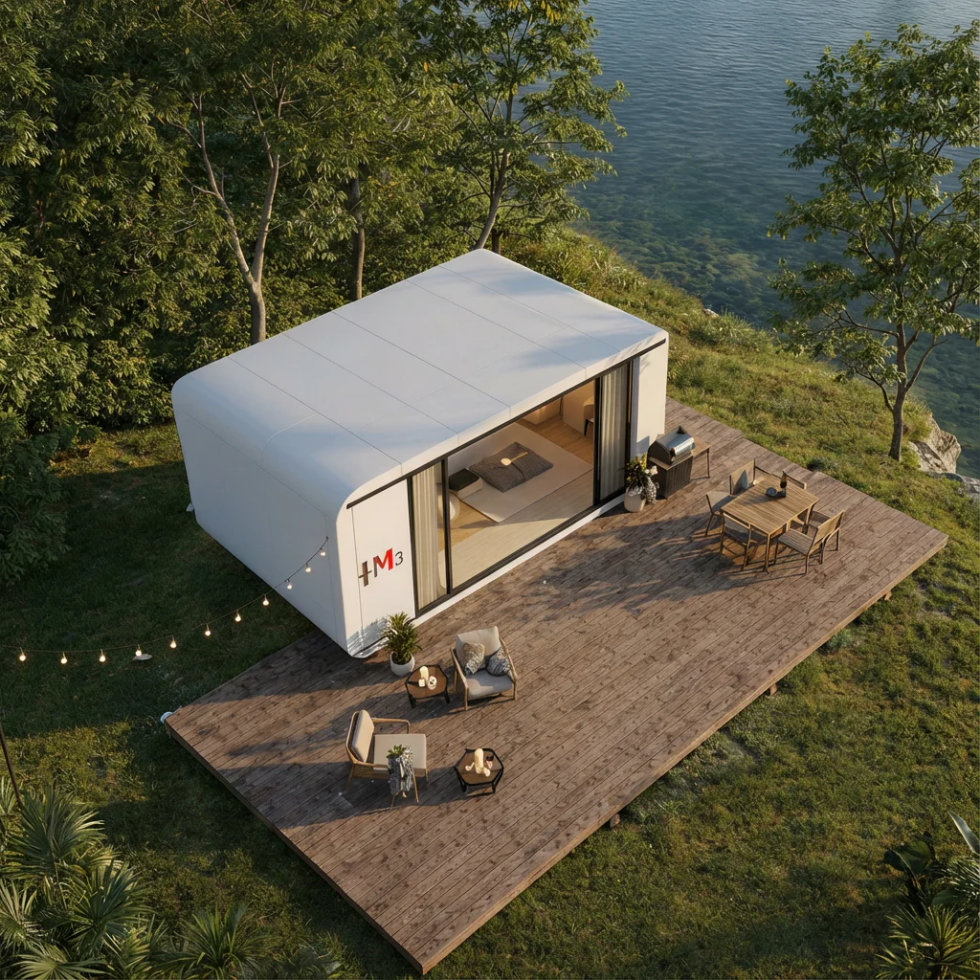
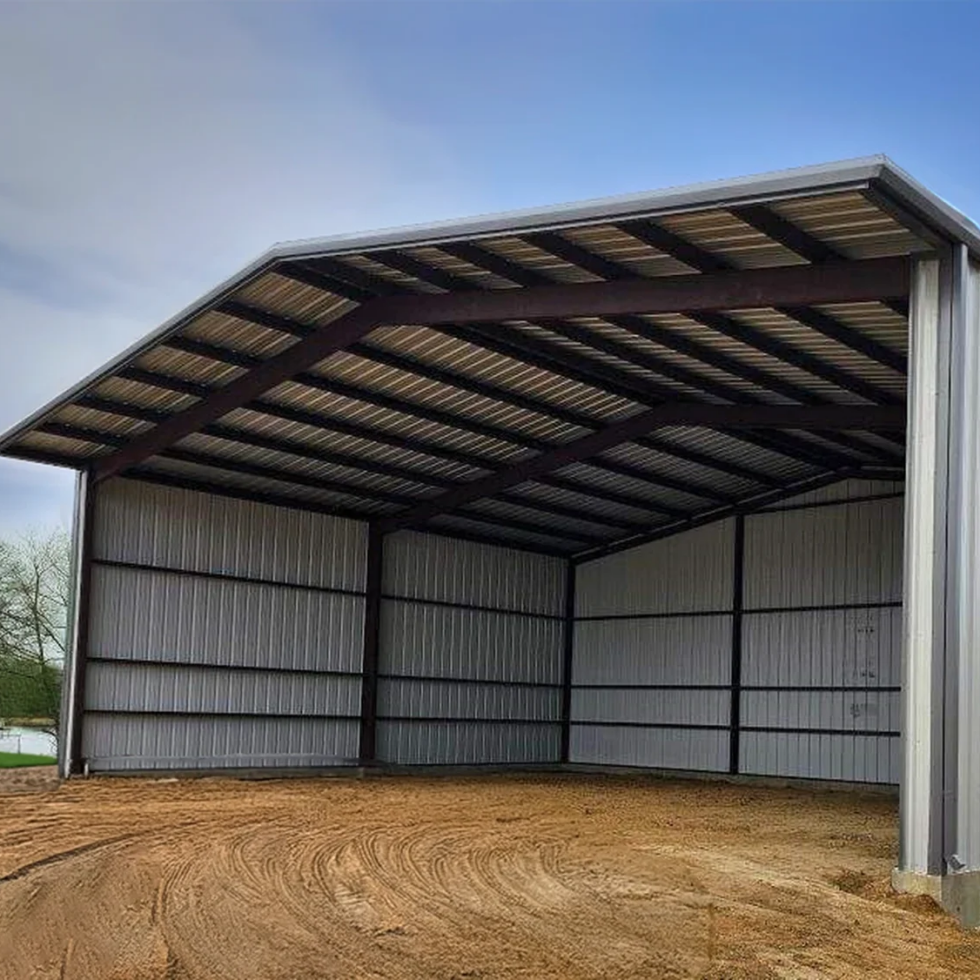
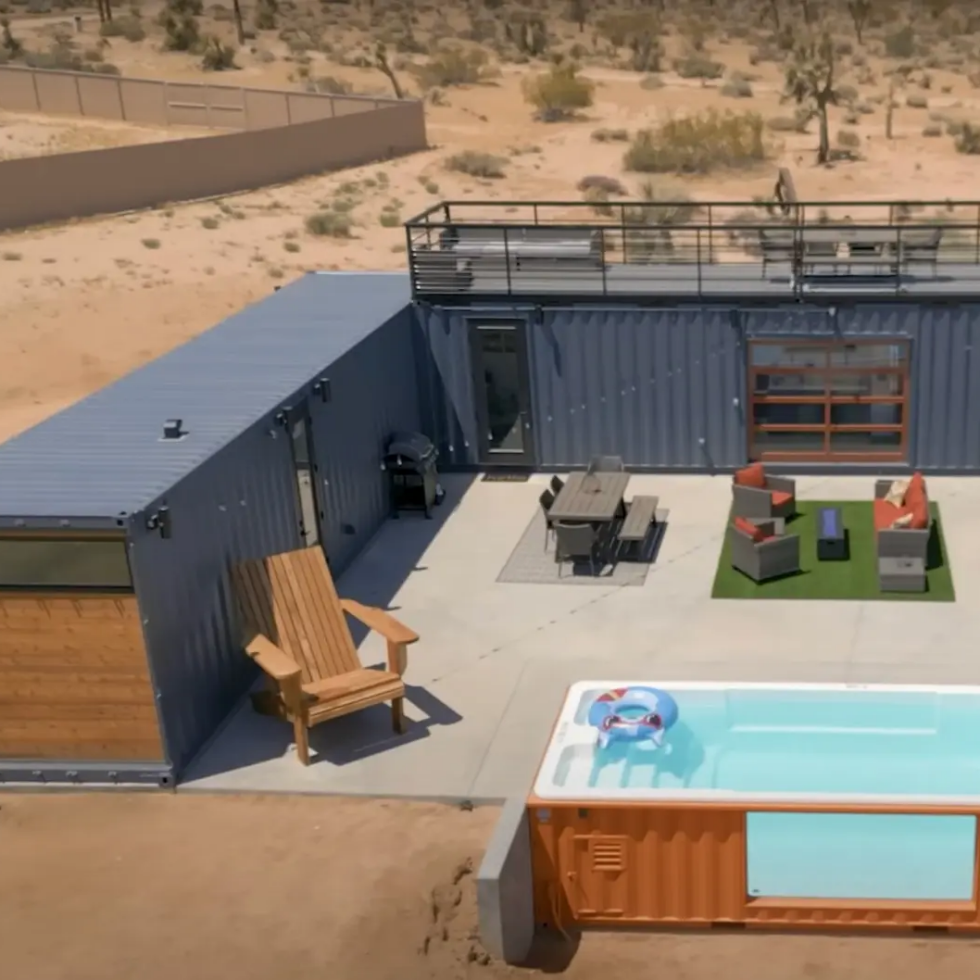
As cities continue to expand and urban populations grow, traditional construction methods are increasingly challenged by rising costs, long timelines, and environmental pressures. In this context, prefab houses are emerging as a forward-looking solution for urban housing—offering a smarter balance between efficiency, sustainability, and modern living requirements.
Built for Speed in Fast-Paced Cities
One of the most significant advantages of prefab houses is construction efficiency. Unlike conventional on-site building, prefab houses are manufactured in controlled factory environments, where structural components, wall panels, and modules are produced simultaneously. This streamlined process dramatically shortens project timelines and minimizes delays caused by weather or labor shortages.
For urban developments where time directly impacts cost and occupancy, prefab houses provide a reliable solution that allows projects to move from planning to completion with far greater predictability.
Sustainability Through Smart Construction
Prefab housing is inherently aligned with sustainable construction principles. Factory-based production reduces material waste, improves resource utilization, and enables precise quality control. Many prefab houses are designed with energy efficiency in mind, incorporating high-performance insulation, optimized layouts, and compatibility with renewable energy systems.
By reducing on-site disturbance and lowering overall carbon emissions during construction, prefab houses support greener urban development while meeting increasingly strict environmental standards.
Adaptable Designs for Urban Living
Modern cities demand flexible housing solutions, and prefab houses deliver exactly that. Their modular design allows for diverse architectural styles and floor plans, making them suitable for single-family homes, multi-unit residential projects, and mixed-use developments.
Prefab houses can also be easily expanded or modified in the future, offering long-term adaptability as urban needs evolve. This flexibility is especially valuable in high-density environments where efficient land use is critical.
Cost Control Without Compromising Quality
Urban housing projects often face tight budgets, and prefab houses offer a practical way to control costs without sacrificing structural integrity or comfort. Standardized production processes reduce labor expenses and material overruns, while consistent quality ensures durability and long service life.
This balance of affordability and performance makes prefab houses an attractive option for developers, municipalities, and private homeowners alike.
Conclusion: A Practical Path Forward for Urban Housing
Prefab houses represent a realistic and scalable response to the challenges of modern urban housing. By combining rapid construction, sustainable practices, and flexible design, they provide cities with a housing solution that is both efficient and future-ready. As urban environments continue to evolve, prefab houses are set to play an increasingly important role in shaping resilient and livable communities.
To explore reliable prefab house solutions designed for modern urban needs, visit zsadto and discover how modular construction can support your next project.